
Most CBD articles start with a promise. This one starts with a caution: for the everyday reasons people consider CBD, the human research is early, small and mixed. That is not the same as saying it does nothing. It means nobody can honestly tell you what it will do for you.
How to read a CBD headline before you believe it
"Study finds CBD reduces stress" can describe four very different kinds of evidence. Before a headline changes what you do, find out which kind sits behind it.
| Type of study | What it can tell you | What it cannot |
|---|---|---|
| Cell or test-tube | Whether CBD interacts with a receptor or enzyme at all | Anything about people, doses or outcomes |
| Animal study | Possible effects worth testing in humans | Whether people respond the same way |
| Small human trial | Early signals, side effects, feasibility | Reliable answers; small trials often fail to replicate |
| Systematic review | The overall weight of the trials that exist | More than the underlying trials allow; weak inputs give weak conclusions |
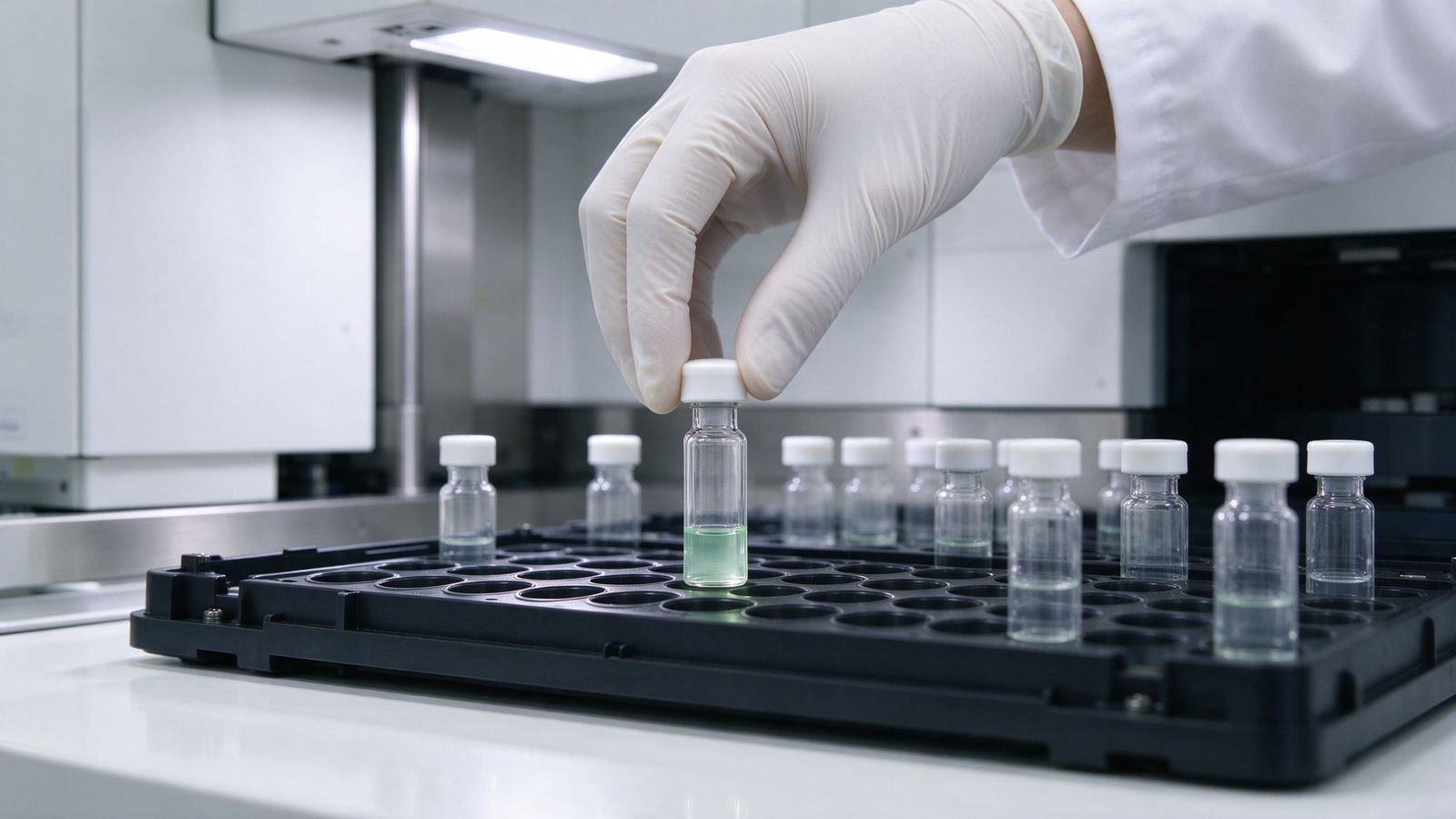
Two more questions sharpen any headline. Who funded the work, and what exactly was tested? Many trials use purified CBD in controlled amounts, sometimes far from what a retail product delivers. Some "CBD" studies use cannabis extracts that also contain THC, which makes the result about a different product entirely.
What the FDA, NCCIH and WHO actually say
Agency positions are slower than headlines, which is the point. They are written after weighing the whole body of evidence, and they change cautiously.
- FDA. One prescription medicine made of purified CBD is approved for specific rare seizure conditions. No consumer CBD product is FDA approved. The FDA has said CBD cannot lawfully be added to foods or sold as a dietary supplement under current rules, and in 2023 it said existing frameworks were not a good fit and asked Congress for a new approach.
- FDA safety concerns. The agency's consumer pages list potential liver injury, interactions with other drugs, drowsiness, digestive upset and changes in mood, plus questions raised by animal studies about male reproductive effects.
- NCCIH (part of the National Institutes of Health) summarizes the research as limited for most uses outside the approved medicine and stresses talking with a health care provider.
- World Health Organization. A 2018 expert committee review reported that CBD in its pure state did not appear to show abuse or dependence potential in humans.
When a seller quotes "the FDA approved CBD", they are usually borrowing the prescription medicine's approval for an unrelated retail product. That approval does not extend to any oil, gummy or cream.
Evidence by topic: where research is thicker and thinner
The panels below summarize how much human research exists for each topic people commonly ask about, in our plain-language reading of public reviews. Longer bars mean more and better human research exists, not that CBD works for you. Tap a panel to open it.
 Strongest evidence
Prescription CBD medicine
Large controlled trials supported FDA approval of one purified CBD medicine for specific rare seizure conditions, used under specialist care. It is not a consumer product.
 Limited and mixed
Sleep
Small studies, varied products and short follow-up. Reviews describe the evidence as insufficient for firm conclusions.
 Early research
Stress and worry
Mostly small or experimental studies, often single sessions in lab settings. Not a substitute for evaluation of ongoing anxiety.
 Very limited
Exercise recovery
Few controlled human trials, small samples and inconsistent results. Sleep, fuel and training load have far stronger evidence.
 Well documented
Safety and interactions
Liver enzyme effects and drug interactions are among the better documented findings. Read the interactions guide.
- Prescription medicineApproved use, rare conditions
- Drug interactionsMechanism well described
- Stress and worryEarly, small studies
- SleepLimited, mixed
- Exercise recoveryVery limited
These bars are a reading aid, not a score from any agency. They reflect how much controlled human research exists, and they will move as better trials are published.
Why lab results rarely transfer to the bottle on your shelf
Even a good trial answers a narrow question: this purified compound, in this amount, in this group of people, over this period. A retail product changes almost every one of those variables.
- Content. A widely cited 2017 study in JAMA tested CBD products bought online and found many did not contain the amount on the label, and some contained THC that was not listed. Later testing by researchers and regulators has found similar problems.
- Form. Oils, capsules, edibles and topicals are absorbed differently. The product formats guide explains why the same number on two labels can mean different things.
- Other ingredients. Full spectrum products carry other cannabinoids, including small amounts of THC, and terpenes. A trial of pure CBD says little about a blend.
- You. Age, liver function, other medicines and body size all matter, which is why only someone who knows your history can weigh a study for you.
Safety signals that show up in the research
The safety literature is, in some ways, clearer than the benefit literature, largely because the prescription medicine was studied closely. Signals that recur across agency summaries include:
- Changes in liver enzyme tests, seen in clinical trials of the prescription medicine and highlighted by the FDA.
- Interactions with other medicines processed by the same liver enzymes. CYP450 explained.
- Drowsiness, which can add up with alcohol, sleep aids or other sedating medicines.
- Digestive upset such as diarrhea and changes in appetite.
- Unknowns around pregnancy and breastfeeding, where the FDA advises against use.
- a headline cites one small study
- treat it as a reason for a question, not a decision.
- a seller cites "FDA approval"
- check whether they mean the prescription medicine; retail products are not approved.
- you take any daily medicine
- ask a pharmacist before starting anything; see what to bring.
- a review calls evidence "promising"
- read what it included, and look for the words "more research needed".
Using this research in a real conversation
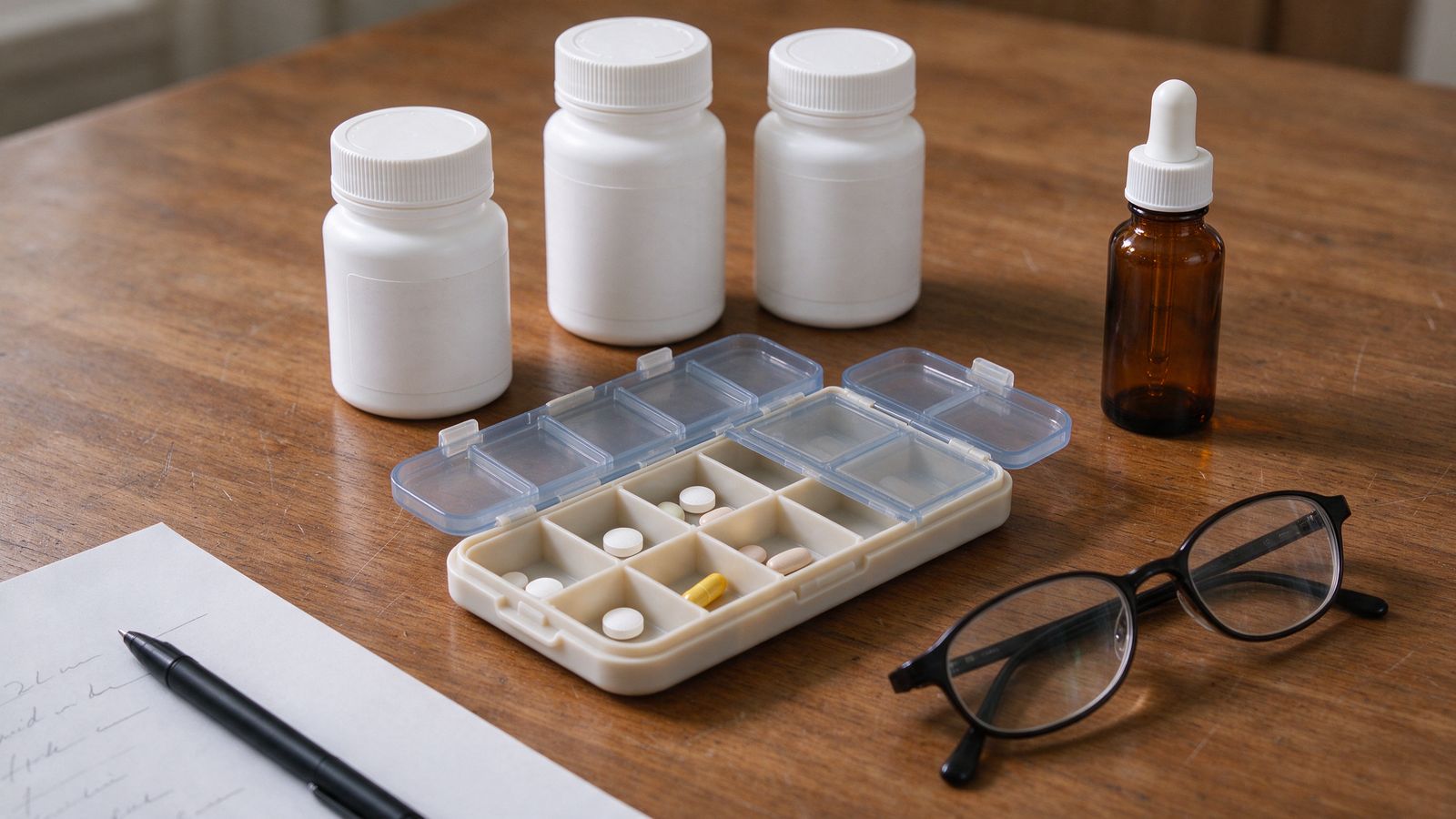
The most productive way to use research is to bring it to someone who can apply it. Print the study or review you read, along with the product's lab report, and ask your clinician three things: does this study match my situation, what are the risks for me specifically, and what should we try first. That conversation is worth more than any article, including this one.
If sleep, stress or training is what brought you here, the sleep, stress and recovery guide turns these findings into specific questions.
Is there good evidence that CBD helps with sleep or stress?
Human research on everyday sleep and stress questions is limited, small and mixed. Reviews generally call for larger, better controlled trials before firm conclusions. That is why this guide frames these topics as questions for your clinician rather than answers.
Is CBD FDA approved?
One prescription medicine containing purified CBD is FDA approved for specific rare seizure conditions. Consumer CBD products such as oils, gummies and creams are not FDA approved for any use, and they are not that medicine.
Is CBD addictive?
A 2018 World Health Organization expert committee review reported that CBD in its pure state did not appear to show abuse or dependence potential in humans. That finding is about CBD itself, not about products that also contain THC.
Why do studies use amounts that differ from store products?
Clinical trials often test purified CBD at controlled amounts under supervision. Store products vary in content, form and purity, so a trial result does not transfer neatly to a bottle on a shelf. Ask your clinician how a given study relates to you.
Outside one prescription medicine, human evidence for everyday CBD uses is limited and mixed, while safety signals around the liver and drug interactions are comparatively well documented. Read headlines as questions, and take the questions to your clinician.