
Independent consumer guide
CBD Wellness Routine Guide
Where CBD comes up in sleep, stress and training routines, what the research does and does not show, and the questions worth taking to your clinician and pharmacist before anything joins your day.
Why this guide exists
Most CBD information is written by people selling CBD.
Search for CBD and nearly every result has a product to move. That shapes what gets said and, more importantly, what gets left out: the liver enzyme issue, the mislabeling problem, the drug testing risk and the plain fact that the evidence for most everyday uses is thin.
This guide takes the opposite position. It explains how CBD shows up in ordinary routines, then hands the decision back to the people who should make it with you: your clinician, your pharmacist and, for athletes, your sport's anti-doping rules.
- We coverResearch summaries, interactions, lab reports, formats, sport rules and hemp law, in plain words.
- We neverSell, rank or endorse products, suggest amounts, or say CBD treats anything.
- Built forAdults who want to walk into an appointment prepared rather than sold to.
Where CBD comes up in a day.
People rarely ask about CBD in the abstract. They ask about a specific moment: a restless evening, a hard training block, a stressful week. Each of those moments has better first steps and sharper questions.
- 01
The Morning.
If a product is taken with breakfast and other daily medicines, the timing overlap is worth raising with a pharmacist, since CBD and many drugs share the same liver enzymes.
- 02
The Workout.
Competitive athletes carry a different risk: trace THC in a mislabeled product. Sport rules and testing matter more than marketing copy here.
- 03
The Evening.
Stress questions deserve a proper look first. Ongoing worry, low mood or panic are reasons to see a clinician, not to self-experiment.
- 04
The Night.
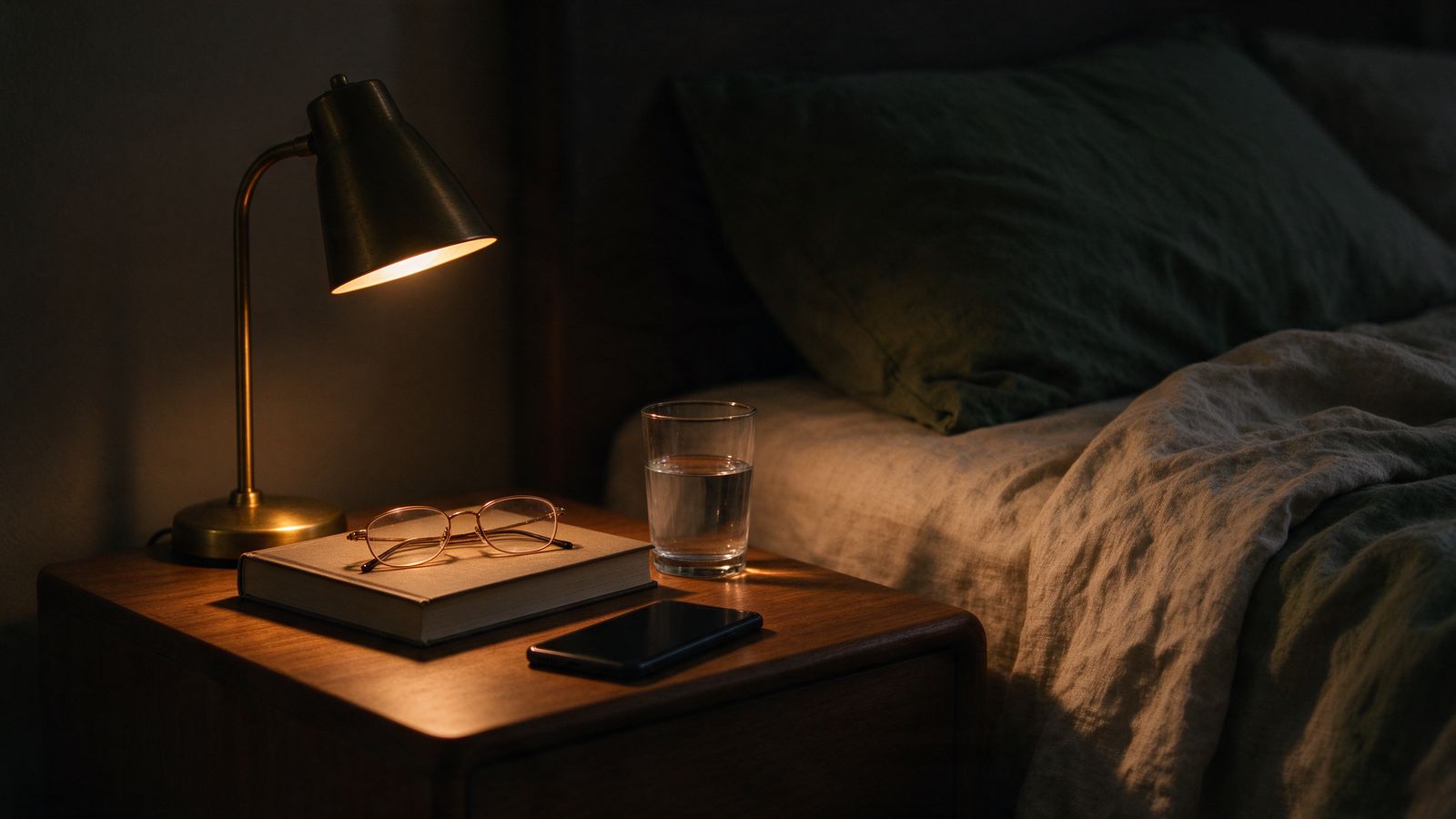
Combining CBD with alcohol or sleep aids can add to drowsiness. Sleep basics come first, and persistent insomnia is worth a medical visit.
Sheet 01 / Editorial rules
Four rules every page follows.
Hover or tap a rule below to see how it changes what you read here. These rules are why some questions get a short answer and a referral rather than a long article.
Rule 01
No medical claims, ever.
We describe what studies looked at and how strong the evidence is. We never say CBD treats, cures, prevents or relieves anything, because consumer CBD products are not approved for that and the research does not support it.
Rule 02
The pharmacist goes first.
CBD can affect how the liver processes other medicines. Anyone taking a prescription should run the exact product past a pharmacist before starting, and we say so on every relevant page.
Rule 03
Labels are claims until a lab says otherwise.
Studies of products bought online have repeatedly found contents that differ from the label. We teach you to match the batch number on the jar to a third-party certificate of analysis.
Rule 04
The law is moving. We say so.
Federal hemp rules are changing and states differ. Instead of promising what is legal for you, we explain the moving parts and point you to current official sources.
Before anything changes
Five checks before CBD joins a routine.
In the order they tend to matter. Skipping the first two is where most avoidable problems start.
- 01
Name the actual problem
"Better sleep" or "less stress" is a goal, not a diagnosis. Persistent symptoms deserve an evaluation, because the cause changes what helps.
- 02
Bring your full medication list
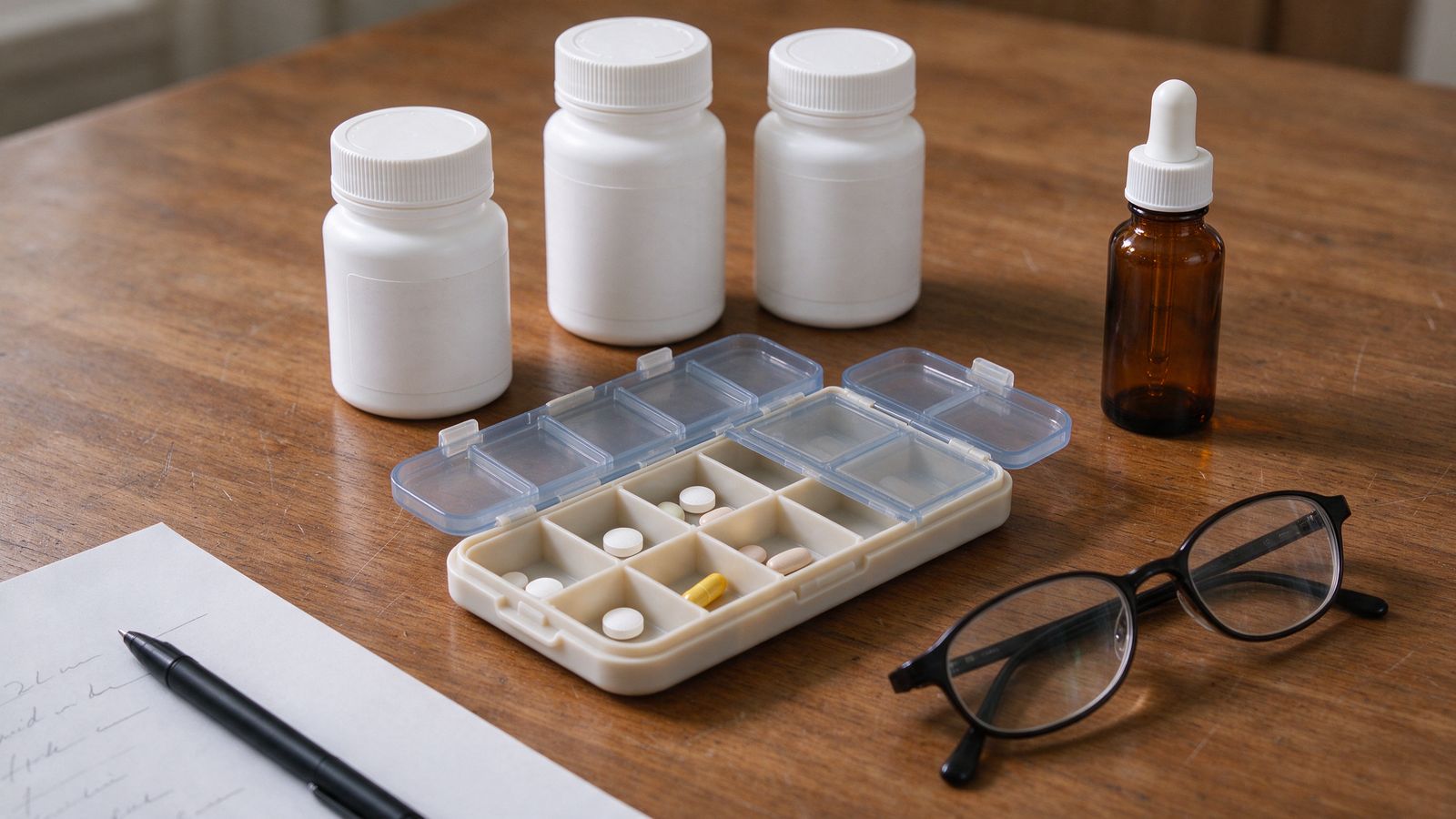
Prescriptions, over-the-counter medicines and supplements. A pharmacist can check them against CBD's known enzyme interactions in minutes.
- 03
Match the batch to a lab report
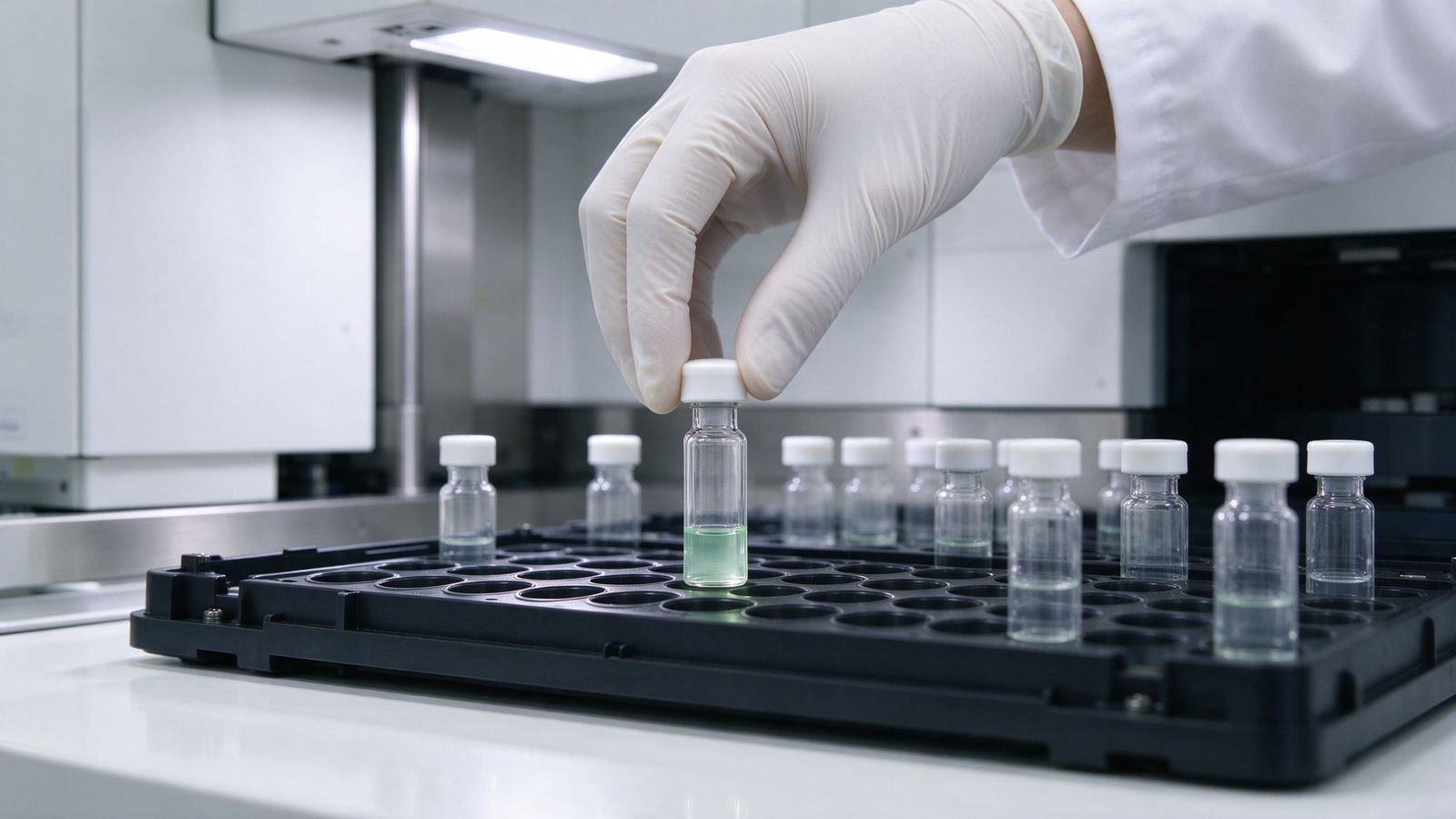
A current certificate of analysis from an independent lab, with a batch number that matches the product in your hand. How to read one.
- 04
Check any testing you face
Sport, workplace or legal testing looks for THC, and some CBD products contain it. Athletes and drug testing explains the risk.
- 05
Confirm the rules where you live
Federal and state hemp rules differ and are changing. The hemp rules guide lays out what is moving.
Interactive
Build a question list for your next appointment.
Pick what applies to you. The list updates as you go, and you can copy or print it. Nothing you select leaves your browser.
Your situation
Runs in your browser onlyTwo starter questions are below. Select anything above to add more.
Take this list with the product label and its batch lab report. Your clinician or pharmacist may add questions of their own.

07 / The guides
Seven guides, one per question people actually ask.
Start wherever your question starts. Each guide links to the others where the topics overlap.
-
Reviews and agency positions, read with the caveats left in.
Open the what research shows guide -
Where CBD comes up in a routine, framed as questions for your clinician.
Open the sleep, stress and recovery guide -
The liver enzyme issue in plain words, and what to ask your pharmacist.
Open the drug interactions guide -
How to check a lab report against the label in front of you.
Open the reading a coa guide -
Sport rules, THC traces and why "THC free" is a claim to verify.
Open the athletes and drug testing guide -
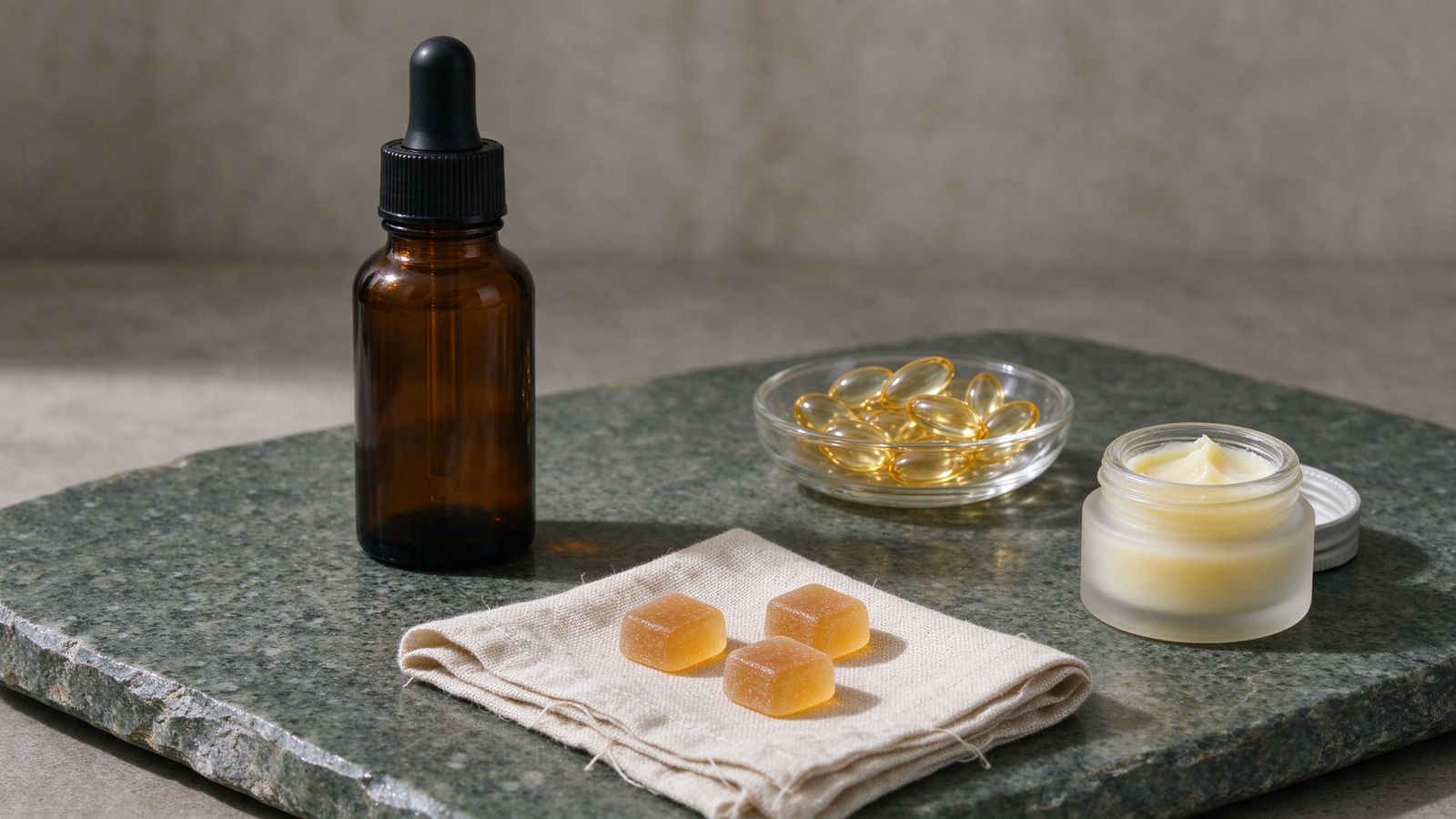
Oils, capsules, edibles, topicals and more, compared on practical terms.
Open the product formats guide -
The 2018 Farm Bill, the 2025 federal change and your state.
Open the hemp rules are changing guide
Short answers
Questions about this site.
The longer answers about CBD itself live in the guides. These cover what we are, and what we are not.
Does this site sell CBD or recommend brands?
No. Optimized Health CBD is an independent consumer guide. We do not sell, rank, review or endorse any product, brand or retailer, and we do not accept product placements.
Can you tell me how much CBD to take?
No. We do not give dosing advice. Amount, timing and whether CBD makes sense at all are questions for your clinician or pharmacist, who can see your full medication list and health history.
Is CBD legal where I live?
Hemp-derived CBD has been federally legal under the 2018 Farm Bill when it meets the hemp definition, but states add their own rules. A 2025 federal law changes the hemp definition starting in late 2026; check current federal and state rules.
Who writes these guides?
The guides are written as plain-language summaries of public sources such as federal agency pages and published research reviews. They are not written by your clinician and they are not a substitute for one.
Something we have not covered?
Send a general question or a source you think we should read. We cannot answer personal medical questions, but we do read every message and use them to decide what to write next.
Send us a question